For many Hoosiers in Central Indiana, higher education isn’t about prestige or distant campuses—it’s about access, affordability, and alignment with real-world careers. Ivy Tech Community College Central Indiana serves as a critical bridge for adult learners, high school graduates, and career changers across a 13-county region. From Indianapolis to Lafayette, Anderson, and beyond, this network of campuses doesn’t just offer classes—it delivers momentum.
With more than 70 academic programs and strong ties to regional employers, Ivy Tech Central Indiana is where education meets opportunity. But beyond the headline numbers, what does it actually mean to attend? How do students choose the right campus or program? And what pathways exist after graduation? Let’s break it down.
What Is Ivy Tech Community College Central Indiana?
Ivy Tech Community College is Indiana’s largest public community college, and its Central Indiana region is one of the most active. It’s not a single campus but a coordinated network—including locations in Marion, Hamilton, Madison, Howard, Tipton, and Carroll counties—designed to serve students where they live and work.
Unlike traditional four-year universities, Ivy Tech focuses on associate degrees, short-term certificates, and workforce training tailored to local job markets. In Central Indiana, that means strong programs in advanced manufacturing, healthcare, IT, business, and public safety—fields where employers consistently need skilled talent.
The college operates under a “student-first” model, emphasizing flexible scheduling, low tuition, and wraparound support. With hybrid and online options, many students balance coursework with full-time jobs or family responsibilities.
Key Campuses in the Central Indiana Region
Each campus in the region serves a distinct community, but all share the same academic standards and credentials.
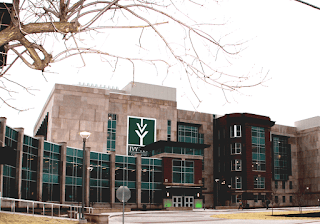
Indianapolis (Marion County) The largest campus, located just south of downtown, offers the widest range of programs—including nursing, cybersecurity, and engineering technology. It also hosts the College’s Institute for Applied Engineering and the Life Sciences Education Center.
Practical tip: Students in healthcare programs often begin clinical rotations at nearby hospitals like Sidney & Lois Eskenazi Hospital or IU Health Methodist.
Lafayette (Carroll County) Focused on manufacturing and energy, the Lafayette campus partners with companies like Subaru and Duke Energy. Its Advanced Manufacturing Center provides hands-on training with real industrial equipment.
Common mistake: New students overlook the opportunity to tour facilities before enrolling—doing so can clarify whether a lab-based program matches their expectations.
Anderson (Madison County) Anderson emphasizes public safety and business. The campus includes a fire training ground and a simulated police vehicle for law enforcement students.
Realistic use case: A single parent in Madison County might complete a Business Administration certificate online while using on-campus childcare during lab days.
Noblesville (Hamilton County)
This fast-growing commuter campus serves one of Indiana’s most affluent counties. Demand is high for IT and accounting programs, reflecting the local job market.
Workflow tip: Use Ivy Tech’s Navigate student app to book advising sessions and track course progress—especially helpful for part-time students juggling work and school.
Top Academic Programs and Career Pathways
Ivy Tech Central Indiana doesn’t just offer generic degrees—its programs are built with employer input. Here are the most in-demand pathways:
1. Nursing and Allied Health The Associate Degree in Nursing (ADN) is one of the most competitive programs. Graduates qualify for the NCLEX and entry-level nursing roles in hospitals, clinics, and long-term care.
Limitation: Clinical spots are limited. Students are often selected based on GPA, TEAS exam scores, and prerequisite completion.
Alternative route: Many begin with a Practical Nursing (LPN) certificate, which takes one year and allows faster entry into the workforce.
2. Information Technology
With tracks in Cybersecurity, Network Administration, and Software Development, IT programs align with Indiana’s growing tech sector.
Example: A student in Noblesville completes a Cisco Networking certificate, lands an internship at a local MSP (managed service provider), and transitions to a full-time role earning $55,000 annually.
3. Advanced Manufacturing and Skilled Trades Programs in CNC machining, welding, and automation prepare students for immediate employment. Many include apprenticeships with local manufacturers.
Insight: Employers like Rolls-Royce and Subaru often recruit directly from these programs—sometimes before graduation.
4. Business and Public Service Degrees in Business Administration, Accounting, and Criminal Justice offer clear transfer paths to four-year schools or direct job placement.
Tip: Students aiming to transfer should meet early with an academic advisor to ensure credits align with target universities like IUPUI or Purdue Global.
Transfer Options to Four-Year Universities
One of Ivy Tech’s strongest assets is its statewide transfer agreements. Through the Transfer Single Articulation Pathway (TSAP), students in designated programs can move seamlessly into bachelor’s degrees at partner schools.
Key Transfer Partners
- IUPUI (Indiana University–Purdue University Indianapolis): Seamless transfer for business, IT, and health sciences.
- Purdue University West Lafayette: Engineering and technology pathways.
- University of Indianapolis: Nursing and business.
- Franklin University: Online-friendly degrees for working adults.
Realistic use case: A student completes an Associate of Science in Computer Science at Ivy Tech’s Indianapolis campus, transfers to IUPUI, and graduates debt-free from both institutions due to cost savings.
Limitation: Not all programs have articulation agreements. Always verify transferability with an advisor before enrolling.
Workforce Training and Employer Partnerships
Ivy Tech Central Indiana doesn’t just serve individual students—it powers regional economic development. Through customized training programs, the college works directly with employers to upskill current workers or prepare new hires.
Industry-Specific Training Examples:
- Healthcare: Fast-track CNA and Medical Assistant programs developed with Community Health Network.
- Manufacturing: Six-week bootcamps for CNC operators, funded in part by employer sponsorship.
- Logistics: Certification programs aligned with Indianapolis’ role as a national distribution hub.
Practical insight: Some training is free or low-cost through state workforce grants (like the Workforce Ready Grant), covering tuition for high-demand fields.
Workflow tip: Visit the Ivy Tech Career Link portal to access job postings, resume tools, and employer info sessions—many exclusive to students.
Online and Hybrid Learning Options
While campuses provide labs and face-to-face instruction, much of Ivy Tech’s curriculum is available online—especially for general education and business courses.
What Works Well Online:
- General education (English, math, social sciences)
- Business and IT coursework
- Some healthcare prerequisites
What Requires On-Campus Attendance:
- Nursing labs and clinicals
- Welding, machining, and automotive training
- Fire science and EMT programs
Common mistake: Students assume all programs can be completed 100% online. Always check the delivery format before enrolling.
Pro tip: Use the “Find a Program” tool on Ivy Tech’s website and filter by “Online” or “Hybrid” to see actual availability.
Student Support and Success Resources

Success at Ivy Tech often depends less on academic ability and more on accessing the right support.
Key Resources:
- Academic Advising: Free one-on-one sessions to plan schedules and review transfer options.
- Tutoring Centers: Drop-in and virtual tutoring in math, writing, and science.
- Child Care Assistance: Limited on-site childcare at select campuses (e.g., Indianapolis).
- Food Pantries: Available at Indianapolis, Lafayette, and Anderson to combat food insecurity.
- Career Services: Resume reviews, mock interviews, and job fairs.
Quote-style insight: “I was working nights and going to school days. The advisor helped me stack my gen eds in one semester so I could focus on my nursing clinicals later.” — Former student, Marion County
Limitation: Demand for services often exceeds capacity. Early engagement is key—don’t wait until midterms to seek help.
How to Enroll and Prepare for Success
Getting started at Ivy Tech Central Indiana is straightforward—but preparation improves outcomes.
Step-by-Step Enrollment:
- Apply Online: Free application at ivytech.edu.
- Take Placement Assessment: Accuplacer or use SAT/ACT/GPA for course placement.
- Meet with Advisor: Required before first registration.
- Enroll in Classes: Use myIvy portal.
- Apply for Financial Aid: Complete the FAFSA (school code: 007158).
Realistic use case: A high school senior in Hamilton County applies in January, attends a summer bridge program, and starts college in August—avoiding the summer melt.
Workflow tip: Submit transcripts early. Delays in credential verification can block registration.
Final Thoughts: Is Ivy Tech Right for You?
Ivy Tech Community College Central Indiana isn’t for everyone. If you’re seeking a traditional college experience with dorms, sports, and campus life, a four-year university may be a better fit. But if you value practical skills, low debt, and direct pathways to employment or transfer, Ivy Tech delivers.
It’s a place where a single mother in Anderson can become a medical coder in 12 months. Where a factory worker in Lafayette can retrain in robotics. Where a recent high school grad in Indianapolis can begin a bachelor’s degree at a fraction of the cost.
The key is clarity. Know your goal—career entry, transfer, or skill upgrade—and use Ivy Tech’s resources to move forward with purpose.
Start by visiting the campus closest to you. Talk to an advisor. Attend an info session. Momentum begins with a single step.
FAQ
Can I transfer from Ivy Tech Central Indiana to a four-year university? Yes. Ivy Tech has articulation agreements with schools like IUPUI, Purdue, and the University of Indianapolis, making transfer seamless for many programs.
Are Ivy Tech credits accepted by other colleges? Most credits from accredited programs transfer, especially general education courses. Always confirm with the receiving institution.
How much does Ivy Tech Central Indiana cost? Tuition is about $160 per credit hour for in-district students. Most associate degrees cost under $8,000 total.
Do I need to take placement tests? Not always. Ivy Tech uses multiple measures—SAT, ACT, high school GPA, or Accuplacer—to place students in appropriate courses.
Can I attend Ivy Tech online? Yes. Many programs offer online or hybrid options, though lab-based fields require in-person attendance.
What careers can I get with an Ivy Tech degree? Graduates work as nurses, IT technicians, machinists, accountants, police officers, and more—roles in high demand across Central Indiana.
Is financial aid available? Yes. Students can apply for federal aid, scholarships, and state programs like the Indiana Workforce Ready Grant.
FAQ
What should you look for in Ivy Tech Community College Central Indiana Guide? Focus on relevance, practical value, and how well the solution matches real user intent.
Is Ivy Tech Community College Central Indiana Guide suitable for beginners? That depends on the workflow, but a clear step-by-step approach usually makes it easier to start.
How do you compare options around Ivy Tech Community College Central Indiana Guide? Compare features, trust signals, limitations, pricing, and ease of implementation.
What mistakes should you avoid? Avoid generic choices, weak validation, and decisions based only on marketing claims.
What is the next best step? Shortlist the most relevant options, validate them quickly, and refine from real-world results.